
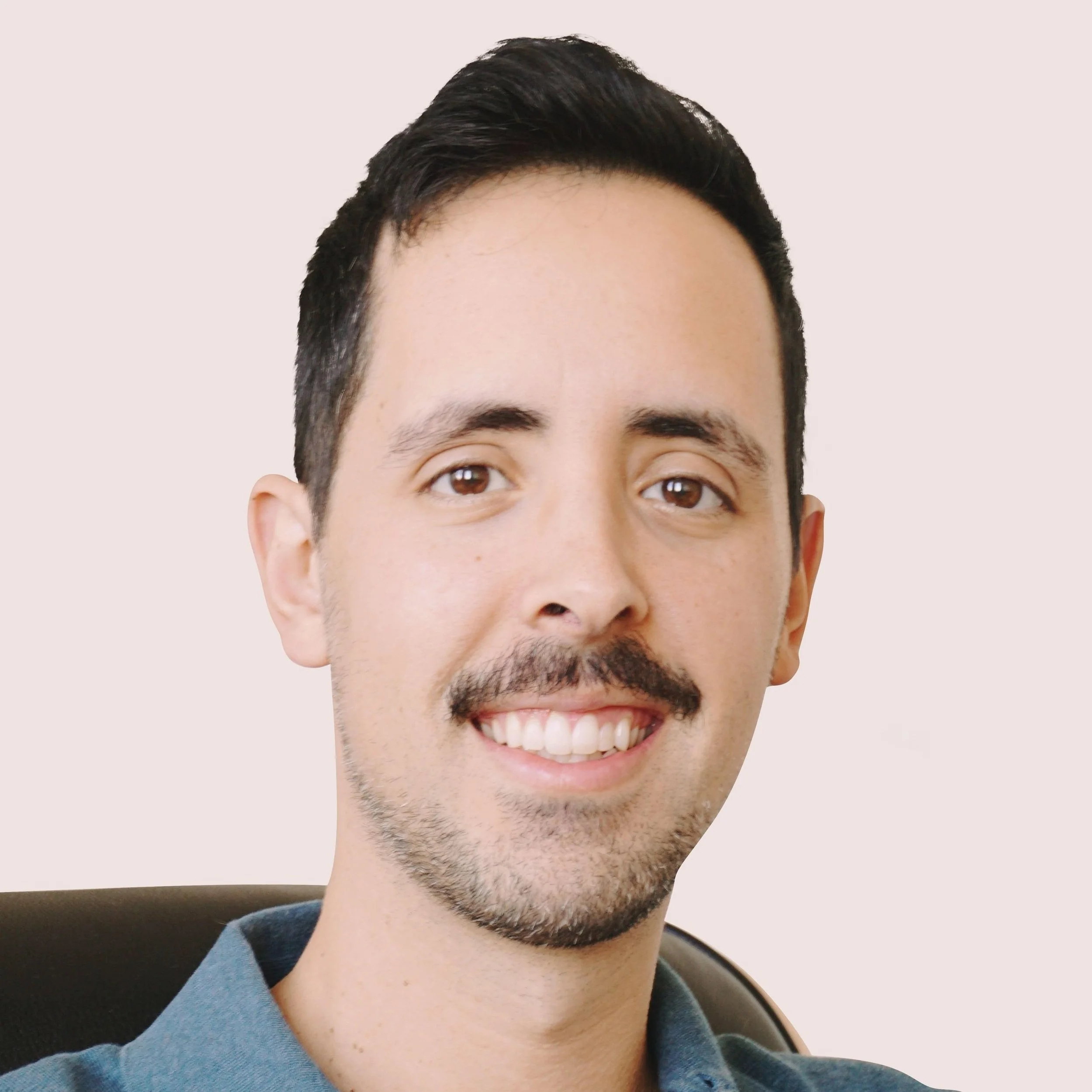
Jack Irmas, LCSW
I'm a licensed clinical social worker (LCSW) and psychodynamic therapist practicing in Los Angeles. I completed my MSW at USC and a two-year fellowship in psychodynamic psychotherapy at the Wright Institute Los Angeles, where I trained in contemporary relational and psychoanalytic theory and now serve as Core Faculty.
About the Work
What drew me to this work
1
I've always been interested in the big questions—identity, desire, meaning, how we become who we are. Psychodynamic therapy offered a way to explore these questions in depth rather than simply managing symptoms or teaching skills.
Who I work with
2
I work primarily with men and young adults, and I also work with couples.
With men, I’m interested in the particular pressures of masculine socialization—the expectation to be a certain type of man that can come at the cost of emotional honesty and intimate connection. Many of the men I work with are capable and successful in their professional lives but find themselves shut down, withdrawn, or repeating patterns they don’t fully understand in their relationships. There’s often a gap between who they are publicly and who they are privately, and closing that gap can be hard, important work.
I have particular experience working with gay men. Sometimes sexuality or identity is central to the work; other times it is simply part of the context in which relationships, family dynamics, intimacy, shame, ambition, and desire have developed.
With young adults, I’m drawn to the disorienting process of identity formation—the questions of direction, authenticity, and self-definition that can feel especially urgent during this developmental stage. This isn’t only about adjustment or coping; it’s about thinking deeply about who you’re becoming.
I also work with couples around conflict, intimacy, relationship patterns, and sexual concerns, drawing on additional training in couples and sex therapy through AACAST.
How I think about the work
3
Good therapy isn't just supportive or insight-generating—it requires understanding how to be helpful with a particular person at a particular moment. I think constantly about what helps people change, what gets in the way, and how to create the conditions for someone to access internal resources they didn't know they had.
A lot of what I see in my work is people getting in their own way—undermining themselves, holding back, not tapping into what's actually available to them. The work is helping people identify those patterns and, over time, get out of their own way so they can actually thrive.
Beyond clinical work
4
I'm core faculty at the Wright Institute Los Angeles, where I supervise clinicians and teach, which I find clarifying and generative. Teaching forces me to articulate what I'm doing and why, and the conversations deepen my own understanding of theory and technique. I've also trained in attachment-focused EMDR, which I sometimes draw on in clinical work.
Outside of work, I enjoy reading and writing. I'm interested in narrative, language, how people make meaning through the stories they tell about themselves. I'm also an avid skier and tennis player.
The practice structure
5
Beacon Psychotherapy is a boutique practice structured for continuity and depth. Sessions generally take place at least once per week, with frequency determined collaboratively based on the needs of the work. When appropriate, Jack coordinates care with psychiatrists and other providers to support an integrated approach to treatment.